

Breast Reduction
PROCEDURES OF EXCELLENCE
When your breast size causes chronic discomfort, limits your ability to exercise or makes everyday tasks harder than they should be, breast reduction offers a solution that goes far beyond aesthetics. According to a 10-year retrospective analysis, over 95% of breast reduction patients reported they would have the procedure again, regardless of how much tissue was removed. That kind of satisfaction speaks to just how significantly this surgery can change your quality of life.
The Relief You Choose!
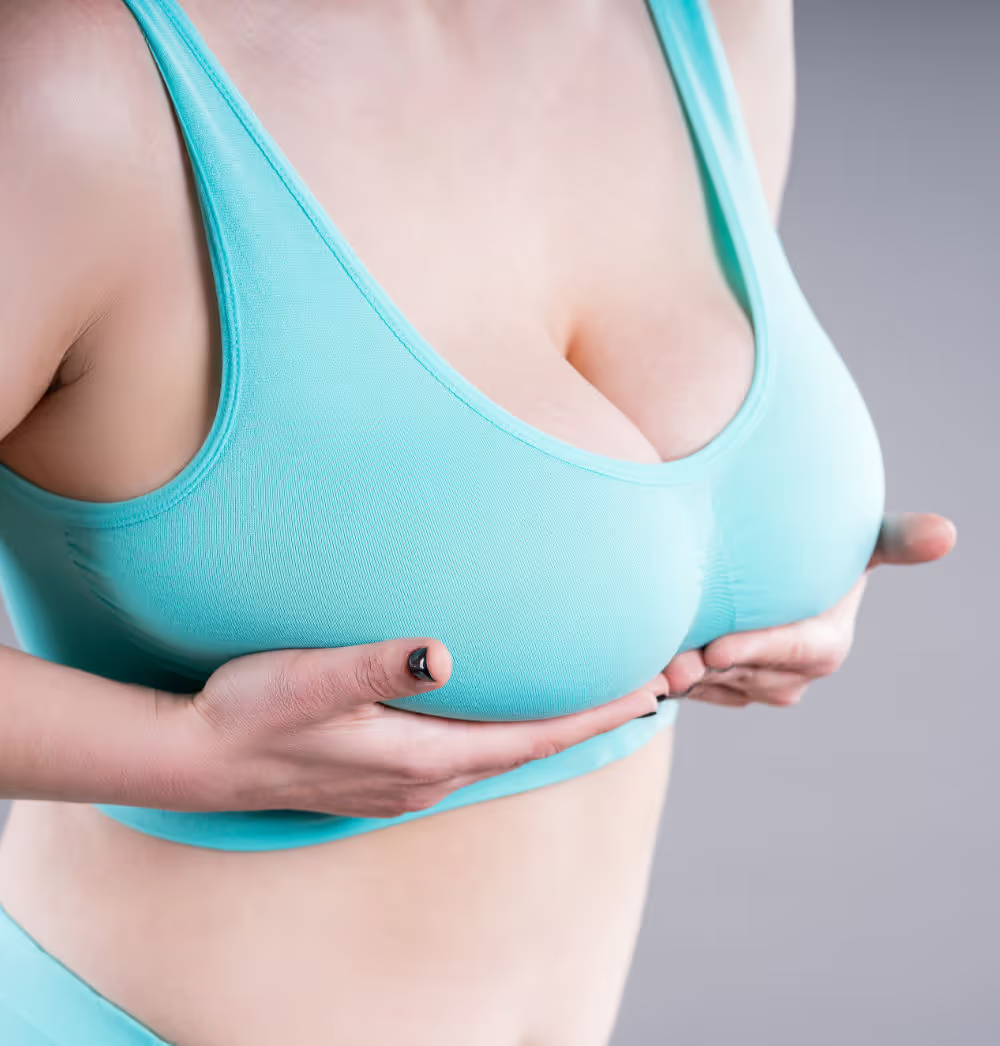
Breast reduction (reduction mammaplasty) removes excess breast tissue, fat and skin to create a size more proportionate to your frame. Dr. Nodwell reshapes the remaining tissue while repositioning the nipple-areola complex, producing a lighter, lifted breast contour that looks and feels natural.
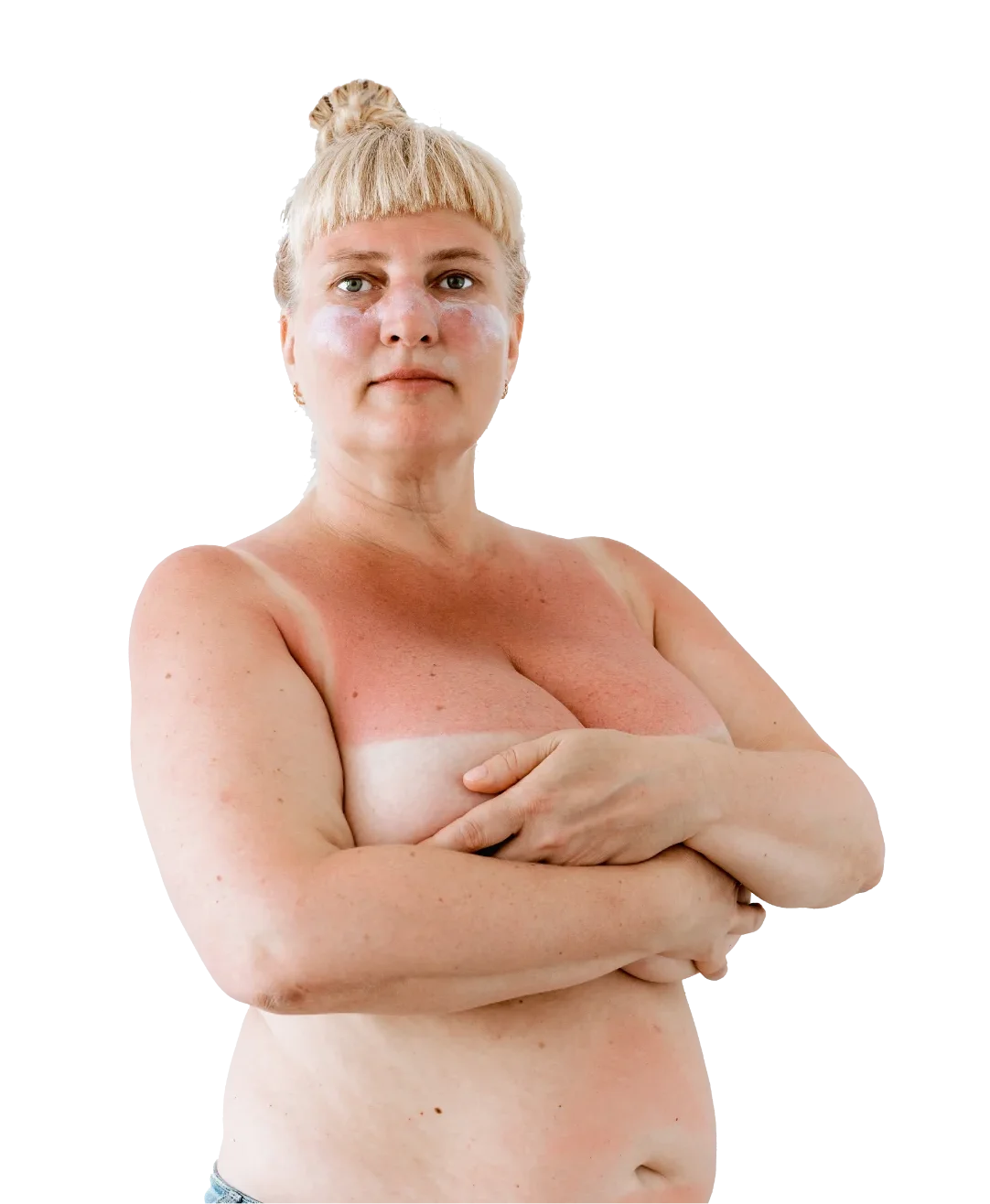
For many women, the decision goes well beyond cup size. Chronic neck pain, deep shoulder grooving from bra straps and restrictions during physical activity can compound over the years. This procedure addresses every one of those concerns in a single surgery.
Why Do Ottawa Patients Choose Breast Reduction?
Your breasts develop in response to genetics, hormones and body composition. Sometimes that development produces a volume disproportionate to the rest of your body, a condition called macromastia. The excess weight pulls on your musculoskeletal system, straining your cervical spine and rounding your shoulders forward over time. Bra straps dig into soft tissue, and the constant load can even compress nerves in your shoulders, causing tingling or numbness down your arms.
Hormonal shifts during puberty, pregnancy and perimenopause can increase breast volume further. Weight fluctuations amplify the issue because breast tissue contains a significant proportion of fat, so even moderate changes in body composition can shift your cup size substantially. Exercise and diet may reduce overall body fat, but they cannot selectively decrease breast tissue or tighten the stretched skin and ligaments that contribute to heaviness. If you have recently experienced major weight loss, post-weight-loss body contouring may also be worth exploring alongside a breast reduction.
Beyond the physical strain, many women describe feeling self-conscious about their chest size or frustrated by the inability to find clothing and athletic wear that fits properly. A breast reduction resolves these structural and functional concerns in a way that no bra, posture exercise or lifestyle adjustment can replicate.
What Does a Breast Reduction Treat?
Chronic Pain
Persistent neck, back and shoulder discomfort caused by the weight of heavy breast tissue
Bra Strap Grooving
Deep indentations on the shoulders from straps bearing excessive load
Skin Irritation
Rashes and chafing beneath the breast fold where moisture becomes trapped
Postural Imbalance
Forward rounding of the upper spine driven by excess anterior weight
Activity Limitation
Difficulty participating in exercise, sports and everyday movement
Breast Asymmetry
A noticeable size difference between breasts that affects fit and proportion
What Are My Breast Reduction Options?
Dr. Nodwell selects the surgical technique best suited to your anatomy, the volume of tissue to be removed and your desired outcome. Each approach uses a different incision pattern, and your consultation will determine which gives you the most favourable result.

The Nodwell Experience
Breast Reduction Excellence
Every breast reduction I perform starts with careful measurement and an honest conversation about proportion. The goal is never a generic cup size. The goal is breasts that sit comfortably on your chest, balance your frame and allow you to live actively.
My fellowship training in microsurgery and advanced reconstructive breast techniques at the University of British Columbia, followed by my aesthetic surgery fellowship at the University of Toronto, gave me a thorough understanding of how to preserve blood supply and sensation while removing tissue. That technical foundation matters enormously in reduction mammaplasty, where precision determines scarring quality, nipple viability and long-term shape.
When you choose me as your surgeon, you get a partner who listens first and operates second. I take that responsibility seriously with every patient who walks through our doors.




The Nodwell Experience













Am I a Candidate for Breast Reduction?
If the size of your breasts interferes with your daily comfort, physical activity or emotional well-being, breast reduction may be an excellent fit. Dr. Nodwell evaluates each patient individually during a thorough consultation, assessing breast volume, skin quality, medical history and your personal goals.
Timing plays a role, too. Because pregnancy and breastfeeding can alter your results, Dr. Nodwell typically recommends completing your family before scheduling a reduction. Weight stability is equally beneficial, as significant fluctuations after surgery could change the size and shape of your breasts again. If you are unsure whether a reduction or a lift is the right approach, your consultation with Dr. Nodwell will clarify which procedure can address your specific concerns.
Breast size is causing physical or emotional discomfort
Are in good overall health with no uncontrolled medical conditions
Have maintained a stable weight for at least six months
Are a nonsmoker or willing to stop well in advance of surgery
Have completed your family or do not plan to become pregnant in the near future
Have realistic expectations about scarring, breast shape and final size
Frequently Asked Questions
How Much Does a Breast Reduction Cost in Ottawa?
The cost of breast reduction with Dr. Nodwell depends on the complexity of your procedure, the technique required and the amount of tissue being removed. Some patients qualify for provincial health insurance coverage when the surgery is deemed medically necessary. Dr. Nodwell's team can help you understand the criteria and navigate that process.
For those pursuing the procedure on a cosmetic basis, we offer breast reduction financing options through trusted third-party providers to help make the investment more manageable. Our team will walk you through pricing and payment plans during your consultation.
Will I Have Visible Scars After Breast Reduction?
Scarring is an unavoidable part of any surgical procedure, and breast reduction does leave incision lines. The extent depends on the technique Dr. Nodwell selects. A vertical reduction produces a scar around the areola and a vertical line to the breast crease, while an anchor technique adds a horizontal scar along the crease itself.
Dr. Nodwell places every incision where bras and swimwear typically provide coverage. Over the first 12 to 18 months, scars transition from pink or red to a paler colour that becomes far less noticeable. Scar-management protocols, which Dr. Nodwell introduces during your recovery, can further improve how your incisions heal.
Will I Be Able to Breastfeed After a Breast Reduction?
Breastfeeding after a reduction is possible for many women, though the likelihood depends on the surgical technique and the amount of tissue removed. Dr. Nodwell prioritises preserving the connection between the nipple and the underlying milk ducts whenever the breast anatomy allows. If future breastfeeding is a priority, share that with Dr. Nodwell during your consultation so he can factor it into your surgical plan.
How Does a Breast Reduction Compare to a Breast Lift?
A breast lift (mastopexy) addresses sagging and nipple position without significantly changing breast size. Breast reduction removes tissue volume to create a smaller, lighter breast. Many of the lifting techniques overlap, and a reduction inherently includes a lift component because the breast is reshaped and elevated as part of the procedure. If your primary concern is sagging rather than size, a lift alone may be the better fit. Dr. Nodwell will help you determine the right path during your consultation.
Live Well.
Choose Well.
Nodwell.
Hear From Dr. Nodwell's Patients







How do I know which procedure is right for me?
What should I expect during my consultation?
Is there a consultation fee?
What is the cancelation policy?
Do you accent out-of-town patients?
How do I know which procedure is right for me?
What should I expect during my consultation?
Ottawa's Trusted
Plastic Surgeon